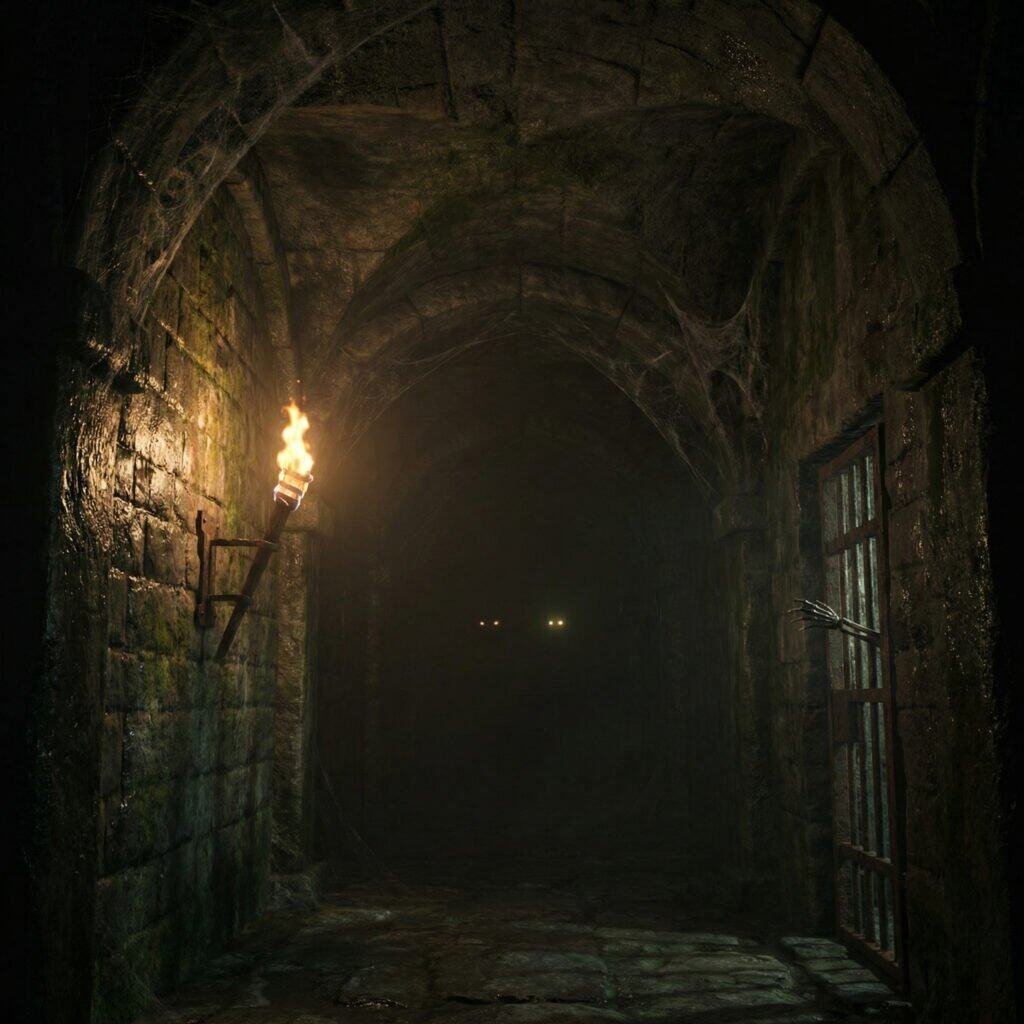

Horror One-Shots for D&D: How to Terrify Your Players in a Single Session
Dragons inspire awe. Liches demand respect. But nothing creates the visceral tension of genuine horror—the kind that makes players hesitate before opening doors, flinch at unexpected sounds, and remember the session months later. Horror one-shots for D&D offer something the usual power fantasy can’t: vulnerability, dread, and the satisfaction of surviving something truly terrifying.
Running horror in D&D presents unique challenges. The game’s mechanics assume heroic competence. Players expect to win. The power differential between adventurers and most monsters makes fear difficult to establish. Yet when horror works at the D&D table, it creates unforgettable experiences—sessions that stand out from countless dungeon crawls and dragon fights.
This guide explores how to create and run horror one-shots for D&D that genuinely unsettle players. We’ll cover the techniques that make horror function despite D&D’s heroic assumptions, different horror subgenres and their requirements, practical session management for scary games, and ready-to-run adventures that deliver horror without extensive preparation.
Why Horror Works Differently in D&D
Horror in film and literature relies on protagonist vulnerability. The characters can’t fight the monster. They can’t escape the situation. Their only options are survival and endurance. This powerlessness generates fear.
D&D characters are rarely powerless. A level 5 party can defeat most mundane threats easily. Magic provides solutions to problems that would doom horror movie protagonists. The fundamental power fantasy underlying D&D conflicts with horror’s requirement for vulnerability.
Creating Vulnerability Despite Power
Effective D&D horror acknowledges this tension and works around it. Several approaches can establish vulnerability even for capable characters.
Resource depletion creates vulnerability through attrition. Characters who’ve exhausted spell slots, hit points, and consumables face threats differently than fresh adventurers. Horror adventures that drain resources before climactic encounters produce vulnerability through the game’s own mechanics.
Scale manipulation makes characters small. Threats too large to fight, environments too vast to escape, situations too complex to solve through combat—these contexts render character power irrelevant. You can’t fireball your way out of a maze that exists in your own mind.
Uncertainty undermines confidence. Characters who don’t know what they’re fighting, where danger lurks, or what rules govern their situation can’t deploy their abilities effectively. Horror thrives in information vacuums where player knowledge doesn’t translate to character advantage.
Psychological Horror Versus Combat Horror
D&D handles combat horror adequately through its existing systems. Dangerous monsters, deadly encounters, potential character death—the game already provides these elements. Mechanical danger isn’t the challenge.
Psychological horror requires different techniques. Atmosphere, pacing, description, and player investment create psychological effects that hit dice can’t measure. The best D&D horror combines mechanical threat with psychological dread, each reinforcing the other.
Essential Techniques for Horror One-Shots
These techniques apply across horror subgenres. Master them, and your horror one-shots for D&D will consistently unsettle players.
Atmosphere Through Description
Horror lives in details. Not exhaustive description—carefully chosen sensory information that creates unease. The smell of copper and rot. The sound of something wet dragging across stone. The feeling of being watched from darkness your torchlight can’t penetrate.
Describe what characters perceive, not what exists. “You hear breathing that isn’t yours” creates more dread than “a monster lurks nearby.” Incomplete information forces players to imagine what might be there—and imagination produces worse horrors than any monster manual entry.
Pacing matters as much as content. Slow descriptions build tension. Quick, sharp details punctuate moments of horror. Vary your rhythm deliberately rather than maintaining consistent delivery throughout.
The Power of Restraint
What players don’t see frightens more than what they do. Once monsters become visible, they become problems to solve. Keep threats ambiguous as long as possible. Hints, traces, and effects create fear; full revelation enables tactical response.
This restraint extends to information generally. Don’t explain the horror’s origins, motivations, or rules until players discover them through play. Mystery amplifies threat. Understanding diminishes it.
Player Investment
Horror requires emotional investment. Players must care about their characters’ survival to feel threatened by potential harm. One-shots challenge this requirement because characters are new and disposable.
Build investment through early character moments. Simple questions establish personality: “What does your character fear most?” “Who do they care about?” “What do they dream about?” These details create attachment that makes subsequent threats meaningful.
Relationships between characters also generate investment. Characters who’ve established bonds face stakes beyond individual survival. The party isn’t just adventurers—they’re people who matter to each other.
Tone Consistency
Horror requires maintained tone. A single joke at the wrong moment collapses carefully built tension. Establish expectations early: this session is meant to be scary, and everyone should support that atmosphere.
This doesn’t mean no humor ever—even horror movies include lighter moments. But humor should release tension deliberately rather than accidentally destroying it. Control the tone; don’t let it control you.
Horror Subgenres for D&D
Different horror types create different experiences. Matching your chosen subgenre to your group’s preferences increases success likelihood.
Survival Horror
Survival horror emphasizes resource scarcity and overwhelming threat. Characters can’t defeat the danger directly—they can only survive until escape becomes possible. Every spell slot, every hit point, every torch matters because replacement isn’t coming.
D&D survival horror works best at lower levels where resources are genuinely limited. A level 2 party facing a threat they can’t defeat creates authentic survival scenarios. A level 15 party has too many options; survival becomes trivial.
Little Lambs executes survival horror for small groups. Street kids wake in a pit beneath the city with something massive moving in the darkness. A snake of impossible size. And it’s hungry. Designed for 2-3 players at level 2, the adventure creates genuine vulnerability through character fragility and overwhelming threat.
Body Horror
Body horror disturbs through biological wrongness—flesh that behaves incorrectly, anatomy that shouldn’t exist, the corruption of physical form. This subgenre creates visceral discomfort distinct from the fear of death. The horror is aesthetic and conceptual rather than purely threatening.
D&D body horror requires descriptive commitment. You must describe the wrongness in sufficient detail to generate disgust. Anatomical specificity—organs, tissues, fluids—creates impact that vague “gross” descriptions cannot match.
The Colossus Autopsy provides complete body horror adventure for mature groups. Players explore the decaying anatomy of a 60-foot storm giant—flesh walls, organ chambers, parasitic inhabitants. The environment itself is biological horror, with every room presenting new grotesqueries. Tactical exploration combines with genuinely unsettling imagery for adult players seeking something darkly unique.
Monster Horror
Classic monster horror features dangerous creatures hunting the protagonists. The horror comes from pursuit, from the creature’s capabilities, from the dread of eventual confrontation. Monster horror is D&D’s most natural horror mode—the game already features monsters.
Effective monster horror requires the monster to feel genuinely threatening. This often means making it too powerful to fight directly, at least initially. The monster hunts; players evade. The monster corners them; players escape narrowly. Only the climax permits direct confrontation, and even then with significant danger.
The Spider’s Seminary delivers monster horror with an added twist. The heroes killed the spider-goddess—but forgot to burn the eggs. Now thousands of spiders are hatching, and someone has to clean up the mess the legendary heroes left behind. Players face overwhelming numbers and the consequences of others’ incomplete victories.
Psychological Horror
Psychological horror targets the mind rather than the body. Unreliable perception, paranoia, loss of identity, existential dread—these horrors can’t be fought with swords. The threat is internal as much as external.
D&D psychological horror requires player buy-in. You may ask players to act as if their characters perceive things that aren’t there, or to roleplay deteriorating mental states. This collaboration creates experiences mechanics alone cannot produce.
Gothic Horror
Gothic horror combines atmosphere, decay, and supernatural elements within specific aesthetic frameworks. Crumbling castles, ancient curses, aristocratic corruption, forbidden knowledge—these tropes create instantly recognizable horror environments.
D&D already contains many gothic elements. Vampires, werewolves, haunted houses, cursed bloodlines—the game’s monster roster reads like a gothic horror anthology. Leaning into these elements with appropriate atmosphere transforms standard encounters into gothic experiences.
Running the Horror Session
Preparation establishes potential; execution realizes it. These practical techniques help you deliver horror effectively during actual play.
Environmental Setup
Your real-world environment affects psychological impact. Dim lighting increases immersion. Ambient soundscapes (distant thunder, creaking wood, subtle music) create atmosphere. Eliminating distractions (phones away, focused attention) maintains engagement.
These environmental factors aren’t essential—horror can work in any setting—but they provide significant advantages. When the room itself feels slightly unsettling, your descriptions land harder.
Pacing Horror Beats
Horror requires rhythm: tension building, release, rebuilding higher. Constant maximum tension becomes exhausting and eventually numbing. Strategic relaxation makes subsequent horror more effective.
Plan your session’s horror beats before play. Where do you want maximum tension? What quieter moments allow recovery? How do you escalate across the session’s arc? Deliberate pacing prevents both monotony and premature climax.
Reading Your Players
Players have different horror tolerances. What thrills one player genuinely distresses another. Watch for signs of discomfort beyond enjoyable fear—disengagement, visible distress, requests to change subject. Horror should be fun; it shouldn’t actually traumatize anyone.
Establish boundaries before play. “Tonight we’re doing horror—is there anything you’d like me to avoid?” Simple check-ins prevent serious problems. Most players appreciate the consideration even if they have no specific concerns.
When Combat Happens
Horror sessions often avoid combat to maintain vulnerability. But when combat does occur, make it feel dangerous regardless of actual mechanics. Describe injuries graphically. Emphasize the monster’s terrifying presence. Treat hit point loss as serious harm, not routine resource depletion.
Combat in horror should feel like desperate survival, not heroic battle. Even victories should feel narrow, costly, and uncertain until the final moment.
Building Your Horror One-Shot
Creating horror one-shots for D&D from scratch requires specific structural considerations.
Contained Locations
Horror works best in contained environments. Haunted houses, isolated villages, underground complexes, ships at sea—locations where escape isn’t simple. Containment prevents players from simply leaving when things get scary.
The containment can be physical (locked doors, impassable terrain), circumstantial (the blizzard makes travel impossible), or motivated (something they need is inside). Players should want to resolve the horror rather than feeling trapped against their will.
Escalating Threat
Structure your one-shot around escalating danger. Early scenes establish atmosphere and hints. Middle scenes introduce direct threat and initial encounters. Late scenes bring maximum horror and climactic confrontation.
This escalation means early restraint. Don’t reveal the monster in scene one. Don’t explain the horror’s nature immediately. Build toward revelations that make earlier hints suddenly, terrifyingly clear.
Meaningful Resolution
Horror one-shots need endings that satisfy. Simply surviving feels hollow without accomplishment. Defeating the threat, saving victims, uncovering truth, or achieving escape with hard-won knowledge—these conclusions provide closure.
Bittersweet endings fit horror well. Victory with cost. Survival with scars. Success that reveals larger horrors. Not every ending must be happy, but every ending should be meaningful.
Ready-to-Run Horror Adventures
Effective horror requires extensive preparation—atmosphere, pacing, descriptions, and encounters all demanding careful design. Ready-to-run adventures eliminate this burden while delivering polished horror experiences.
The Colossus Autopsy
The Colossus Autopsy provides mature body horror for adult groups. The 60-foot storm giant’s anatomy becomes a dungeon of biological wrongness. Designed for 2-3 players, the adventure combines tactical exploration with genuinely unsettling imagery. Every room presents new horrors; every encounter reinforces the body horror theme.
Little Lambs
Little Lambs delivers survival horror at its most desperate. Characters begin betrayed, trapped, and hunted. The adventure for 2-3 level 2 characters creates authentic vulnerability—these aren’t heroes who can fireball their problems away. Survival requires cunning, cooperation, and luck.
The Spider’s Seminary
The Spider’s Seminary offers monster horror with thematic depth. The legendary heroes saved the day—and left someone else to handle the consequences. Thousands of hatching spider eggs create overwhelming numbers and creeping horror. Players clean up a mess that shouldn’t have been left behind.
Small Group Focus
All three adventures come from The Ready Adventure Series, designed for 2-3 players. Small groups enhance horror through intimacy and vulnerability. Fewer characters mean each faces more danger. Fewer players mean more focused atmosphere. The small-group design and horror format reinforce each other.
Conclusion: Embrace the Darkness
Horror one-shots for D&D offer experiences the usual adventure format cannot provide. Vulnerability instead of power. Dread instead of triumph. The satisfaction of surviving something genuinely terrible. When executed well, horror sessions become highlights that players remember long after routine adventures blur together.
The techniques aren’t complicated: establish atmosphere, maintain restraint, build investment, control pacing. The challenges are real: D&D’s power fantasy conflicts with horror’s vulnerability requirement. But the rewards justify the effort. Horror done right creates unforgettable sessions.
Try The Colossus Autopsy for body horror, Little Lambs for survival horror, or The Spider’s Seminary for monster horror. Each provides complete horror experiences without extensive preparation. Or apply these principles to your own creations, building sessions that terrify your players in the best possible way.
The darkness waits. Something moves in it. Your players don’t know what—but they know it’s hungry. And that uncertainty is the first step toward fear.