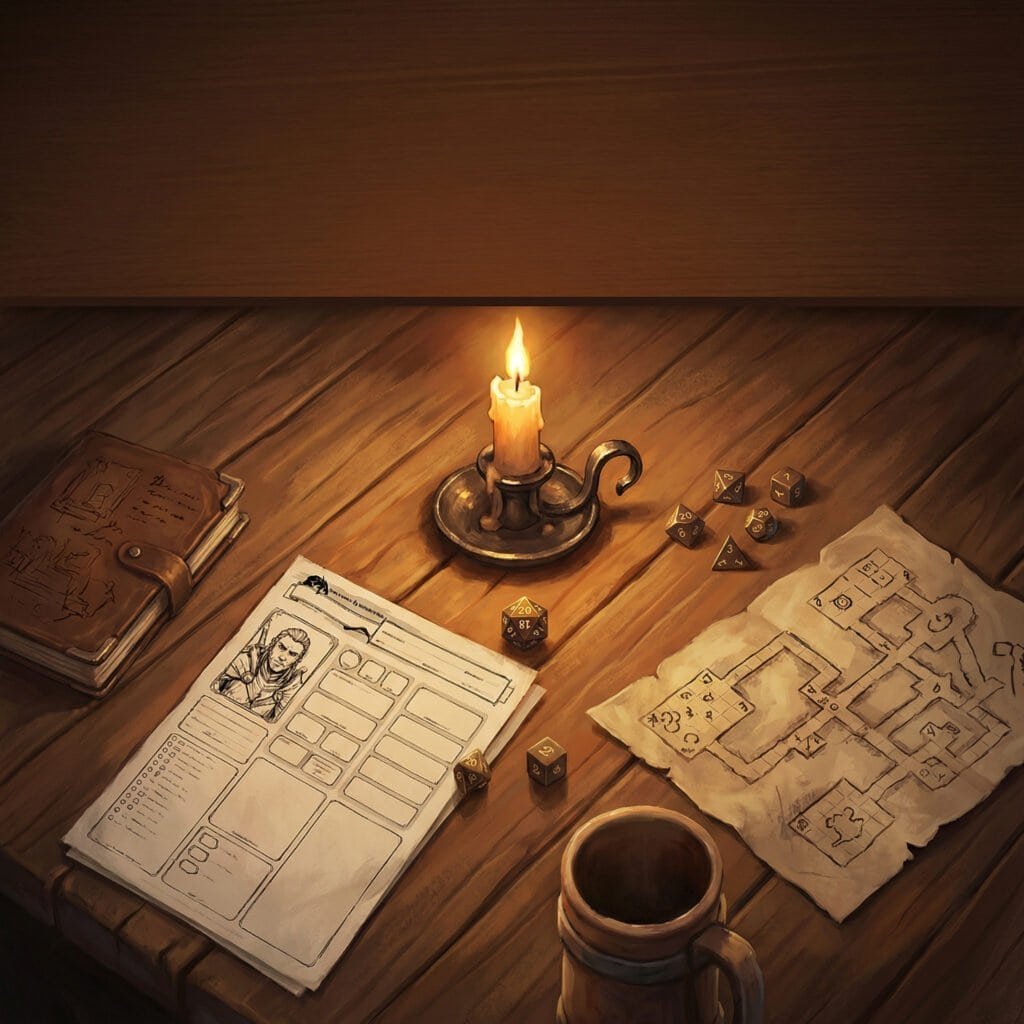

Solo Dungeon Crawling Games: Your Complete Guide to Epic Adventures Without a Group
The dice sit on your shelf. The rulebooks gather dust. You desperately want to play, but coordinating four adults’ schedules feels harder than defeating an actual dragon. Here’s the truth nobody tells new players: solo dungeon crawling games exist, they’re genuinely fun, and they scratch the exact itch that tabletop RPGs create—without requiring anyone else to show up.
Solo tabletop gaming has exploded in popularity over the past few years, and for good reason. Life gets complicated. Groups dissolve. Schedules conflict. But your desire to explore dangerous dungeons, fight monsters, and accumulate treasure doesn’t disappear just because your gaming group did. Solo dungeon crawling games answer a real need: the ability to play when you want, for as long as you want, without depending on anyone else.
This guide covers everything you need to start your solo dungeon crawling journey. We’ll explore what makes these games work, examine different approaches to solo play, and help you find the perfect game for your preferences. Whether you want narrative-heavy journaling experiences or tactical combat challenges, solo options exist that deliver satisfying gameplay on your own schedule.
What Makes Solo Dungeon Crawling Games Work
Traditional tabletop RPGs require a game master to create the world, control NPCs, and adjudicate rules. Remove that human element, and the game seems impossible. How do you explore the unknown when you’re the one who created it? How do surprises happen when you know everything?
Solo games solve this problem through various clever mechanisms that generate unpredictability while maintaining player agency. Understanding these mechanisms helps you choose games that match your preferred play style.
Oracle Systems and Random Tables
The simplest solo mechanism replaces the GM’s decisions with random tables. Ask a yes/no question about the fiction—”Is the door locked?”—and roll dice to determine the answer. More complex oracle systems provide nuanced responses: yes, yes but, no, no and. The randomness creates genuine uncertainty about what happens next.
Random tables extend this principle to broader content generation. What’s in the room? Roll on a table. What monster guards the treasure? Roll again. What complication arises? Another roll. The tables provide the unpredictability that human GMs normally supply.
Well-designed solo games include tables specifically tuned for their content. Generic tables produce generic results; purpose-built tables create coherent experiences that feel designed rather than random.
Procedural Generation
Some solo dungeon crawlers use procedural generation—systematic rules that create content based on player actions and dice rolls. Enter a new room, and the generation procedure determines its contents based on current circumstances. The dungeon literally builds itself as you explore.
Procedural generation creates replayability. The same game produces different dungeons each session. That variability keeps gameplay fresh across dozens of plays, unlike pre-written adventures you can only experience once.
Push-Your-Luck Mechanics
Many solo dungeon crawlers incorporate push-your-luck decisions that create tension without requiring a GM. Do you press deeper into the dungeon or retreat with your current gains? Each room offers rewards but increases danger. The decision is yours, and the consequences are real.
This tension—risk versus reward, greed versus caution—generates the excitement that makes dungeon crawling compelling. You’re not just following a predetermined path; you’re making meaningful choices with genuine stakes.
Types of Solo Dungeon Crawling Experiences
Not all solo dungeon crawling games offer the same experience. Different designs emphasize different aspects of dungeon exploration. Understanding these categories helps you find games matching your preferences.
Tactical Combat Crawlers
These games emphasize the combat and resource management aspects of dungeon crawling. You manage hit points, track abilities, make tactical decisions during fights, and carefully husband limited resources across multiple encounters.
Tactical crawlers often use simplified combat systems that work well solo—streamlined enough for quick resolution but complex enough for meaningful decisions. The satisfaction comes from successfully navigating dangerous encounters through smart play.
Deep Delving exemplifies this approach. The game delivers d20 combat with over 8,000 boss combinations, permadeath stakes, and sessions ranging from 30 minutes to 2 hours. Quick setup, tactical depth, and genuine tension—everything that makes dungeon combat satisfying, playable solo.
Narrative Journaling Games
At the opposite end of the spectrum, journaling games emphasize storytelling over mechanics. You write your character’s experiences, prompted by random tables and oracle systems. The “game” is creating a compelling narrative; mechanics exist to inspire rather than challenge.
Journaling games work beautifully for players who love the creative and imaginative aspects of RPGs more than the tactical elements. They’re also excellent writing exercises—structured creativity with built-in prompts that prevent blank-page paralysis.
Hybrid Approaches
Many solo games blend tactical and narrative elements. Combat has mechanical resolution, but exploration and social interactions use oracle systems and player narration. These hybrids attempt to capture the full RPG experience rather than focusing on one aspect.
Hybrid games typically require more investment—longer sessions, more complex rules, greater creative engagement. They reward that investment with richer experiences that feel closer to traditional group RPGs.
Getting Started with Solo Dungeon Crawling
The solo gaming landscape can feel overwhelming. Hundreds of games exist across multiple platforms and formats. These practical steps help you begin without getting lost in options.
Start Simple
Your first solo game should be mechanically straightforward. Complex systems with dozens of tables and intricate procedures overwhelm newcomers. Simple games let you learn solo play conventions without simultaneously mastering elaborate rules.
Look for games with quick setup—ideally under five minutes from opening the book to rolling dice. Session length under an hour prevents the fatigue that longer games can create for new solo players. As you gain experience, you can graduate to more complex systems.
Gather Your Materials
Solo dungeon crawling typically requires minimal materials: the game itself (physical book or PDF), dice appropriate to the system, paper for tracking characters and notes, and writing implements. Some games use cards or specialized components, but many work with just dice and paper.
Consider your play environment. Solo gaming works anywhere—kitchen tables, coffee shops, airplanes, lunch breaks. Compact games that fit in a bag expand your play opportunities. Games requiring elaborate setups limit where and when you can play.
Embrace the Learning Curve
Solo gaming feels strange at first. You’re simultaneously player and referee, making decisions and adjudicating their outcomes. The divided attention takes practice. Your first sessions may feel awkward or mechanical.
This passes. With experience, the procedures become automatic. You stop thinking about mechanics and start experiencing the fiction. The game flows naturally. Give yourself several sessions before judging whether solo play works for you.
Deep Delving: A Solo Dungeon Crawler That Works
Among the many solo dungeon crawling games available, Deep Delving deserves special attention for players wanting tactical combat experiences.
Core Gameplay Loop
Deep Delving creates a streamlined dungeon delving experience using familiar d20 mechanics. You descend through dungeon levels, facing increasingly dangerous encounters. Each room presents choices: fight, sneak, or find alternative solutions. Resources deplete. Danger increases. Victory requires balancing aggression with caution.
The game generates over 8,000 possible boss combinations through its modular design. No two runs feel identical. That procedural variety creates replayability that sustains engagement across dozens of sessions.
Permadeath Stakes
Deep Delving includes permadeath—when your character dies, they’re gone. This design choice transforms every decision. Combat you might approach carelessly in a traditional campaign demands careful consideration. Retreat becomes a valid tactical option rather than a failure state.
Permadeath isn’t for everyone, but for players who enjoy it, the stakes create genuine tension that other games struggle to match. Victory feels earned because defeat was always possible.
Session Flexibility
Sessions scale from 30 minutes to 2 hours based on how deep you delve. Quick lunch-break sessions are possible alongside longer evening explorations. This flexibility means you can play whatever time you have available rather than needing dedicated multi-hour blocks.
The game works in both paperback and ebook formats, making it genuinely portable. Pack it for travel, keep it at your desk, pull it out whenever the dungeon-crawling urge strikes.
Building Solo Gaming Habits
Solo gaming offers maximum flexibility, but flexibility can become excuse-making. Without scheduled sessions and social accountability, games sit unplayed despite genuine interest. Building sustainable habits ensures you actually use your solo games.
Schedule Solo Sessions
Treat solo gaming like any other hobby commitment. Block time on your calendar. Protect that time from encroachment. “I play solo games Tuesday evenings” works better than “I’ll play whenever I have time.” Specific commitments get kept; vague intentions don’t.
Start small. One 30-minute session weekly is sustainable. Ambitious four-hour commitments collapse under real-life pressure. Build the habit first; expand later.
Create a Dedicated Space
If possible, maintain a space where your game can stay set up between sessions. Reducing setup friction dramatically increases play frequency. When starting a session requires just sitting down rather than gathering materials, sessions happen more often.
Even a small dedicated space—a corner of a desk, a tray that stores your current game—reduces the activation energy required to play.
Track Your Progress
Keep records of your solo play. Character logs, session summaries, memorable moments. This documentation serves multiple purposes: it maintains continuity between sessions, provides satisfaction through visible progress, and creates material you can share with others interested in solo gaming.
Some players share their solo adventures online—actual play posts, session reports, character journals. The community engagement adds social dimension to an otherwise solitary hobby.
Solo Gaming and Traditional Groups
Solo dungeon crawling doesn’t replace group play—it complements it. The two forms of gaming serve different needs and can enhance each other.
Practicing Between Sessions
Solo games let you engage with RPG mechanics between group sessions. Rules stay fresh. Tactical instincts sharpen. You return to group play with better mechanical fluency than players who only touch dice once a month.
Some players use solo games to explore character concepts before bringing them to group campaigns. The solo experience reveals whether that character idea actually works in play, preventing disappointing discoveries during precious group time.
Filling the Gaps
Groups inevitably experience disruption. Holidays, illness, scheduling conflicts—sessions get cancelled. Solo gaming fills those gaps, maintaining your connection to the hobby even when group play is impossible.
Rather than frustration at cancelled sessions, you have an alternative: tonight’s group game is cancelled, so you’ll delve solo instead. The hobby continues regardless of other people’s availability.
Different Satisfactions
Solo and group gaming offer genuinely different experiences. Group play provides social connection, collaborative storytelling, and shared memories. Solo play offers convenience, personal challenge, and meditative focus. Neither is superior; both are valuable.
Many dedicated gamers maintain both practices—group campaigns for social gaming, solo games for personal exploration. The combination creates a richer hobby engagement than either alone.
Beyond Dungeon Crawling: The Solo Gaming Landscape
While this guide focuses on solo dungeon crawling games, the solo gaming world extends far beyond dungeon exploration.
Solo RPG Systems
Complete solo RPG systems adapt traditional RPG frameworks for single-player use. Games like Ironsworn provide full campaign experiences with character advancement, ongoing narratives, and rich worldbuilding—all playable alone.
These systems require more investment than focused dungeon crawlers but reward that investment with depth approaching traditional campaigns. If you want solo experiences that extend beyond tactical combat into full narrative arcs, solo RPG systems deliver.
Gamebook Adventures
Choose-your-own-adventure style gamebooks offer structured solo experiences with predetermined narratives. You make choices, but the possible paths are pre-written. Less emergent than procedurally generated games, but often featuring polished writing and carefully designed challenges.
Modern gamebooks often incorporate RPG mechanics—character stats, inventory management, combat resolution. They bridge the gap between traditional fiction and full RPG systems.
Print-and-Play Options
Many solo games are available as print-and-play PDFs. Download, print, and play immediately. This format offers instant gratification and often lower costs, though it requires printer access and some assembly.
Print-and-play also enables experimentation. Try games before committing to physical copies. Explore niche designs that don’t have traditional publication. The format expands your options significantly.
Common Solo Gaming Challenges
Solo gaming isn’t without difficulties. Anticipating common challenges helps you navigate them successfully.
Analysis Paralysis
Without other players to move things along, solo gamers sometimes get stuck in decision loops. Every option seems viable; none seems clearly best. Minutes pass while you deliberate over choices that would resolve instantly in group play.
Combat this by setting time limits for decisions. If you haven’t decided in 30 seconds, roll randomly between your top options. The game continues; perfect decisions aren’t required.
Immersion Difficulty
Some players struggle to immerse in solo play. They’re too aware of the mechanics, too conscious that they’re “playing with themselves.” The fiction never quite takes hold.
Immersion builds with practice. It also responds to environment—atmospheric music, dedicated play spaces, freedom from distractions all help. Some players find journaling their character’s thoughts aids immersion by forcing first-person engagement with the fiction.
Motivation Maintenance
Without social accountability, solo gaming requires self-motivation. The immediate appeal of other activities—streaming video, social media, passive entertainment—competes with the more effortful engagement games require.
Remember why you wanted to play. The satisfaction of solo gaming exceeds passive entertainment, but it requires choosing active engagement. The rewards justify the effort.
Conclusion: Your Dungeon Awaits
Solo dungeon crawling games solve a real problem: the desire to play tabletop games without depending on other people’s schedules. They’re not a compromise or a consolation prize—they’re a legitimate and satisfying way to engage with the hobby you love.
Start with something manageable. Deep Delving offers tactical dungeon combat with quick setup and flexible session lengths—an ideal entry point for players wanting combat-focused solo experiences. Build the habit with short sessions. Let the practice develop your solo gaming skills.
Your dungeon awaits. The monsters won’t fight themselves. And for once, nobody needs to check their calendar before you can begin.
The dice are yours. The dungeon generates itself. The only schedule that matters is your own. Start delving.