
By Anvil N Ink Publishing · Updated July 2026 · 7 min read
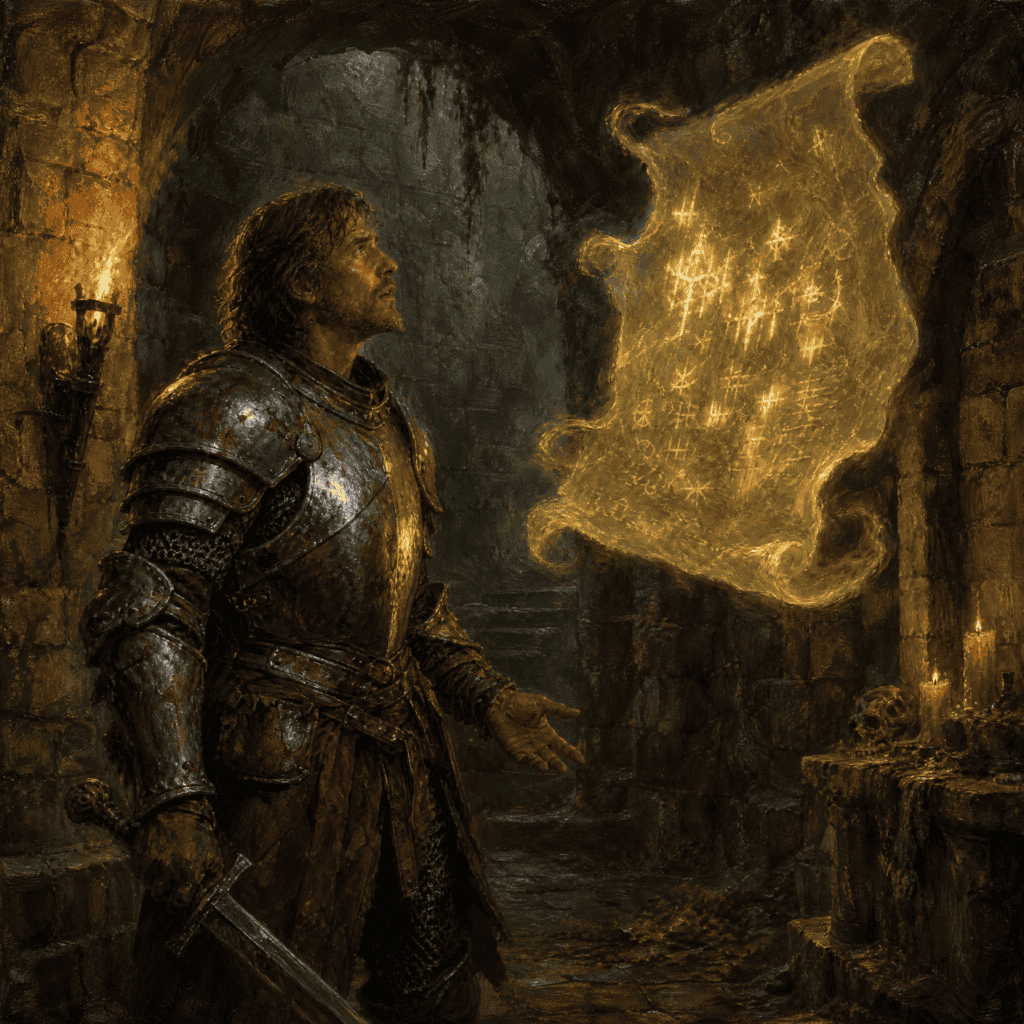
LitRPG (literary role-playing game) is a fiction genre in which video-game mechanics — character levels, stat screens, skills, quests, and experience points — exist literally inside the story’s world. The characters can see the system, interact with it, and are changed by it. If you deleted the game interface, the plot would collapse.
That last sentence is the whole definition. Plenty of fantasy involves people getting stronger; LitRPG is the genre where the getting-stronger is quantified on screen. This guide covers where the term came from, what counts and what doesn’t, and why the genre took over Kindle Unlimited. It’s part of our larger complete guide to LitRPG books.
Where did LitRPG come from?
The term was coined in Russian web fiction around 2013, when publishers needed a label for a wave of “stuck in the game” novels, and it crossed into English as those books were translated. Western writers then built their own scene on free serial platforms — above all Royal Road — and on Kindle Unlimited.
The DNA is older, though. Japanese light novels like Sword Art Online (serialized in the 2000s) popularized the trapped-in-a-VRMMO premise, and Ready Player One (2011) proved game-native fiction could go mainstream. What the LitRPG label added was the visible system: the stat box on the page, rendered as a literal game window. Matt Dinniman’s Dungeon Crawler Carl — picked up by a major publisher after its indie success — is the book that carried that convention to a general audience.
What makes a book LitRPG and not just fantasy?
Three tests. A book is LitRPG when the game system is explicit (readers see actual stats or system messages), consequential (numbers change outcomes — a level 3 character genuinely cannot beat a level 30 problem), and persistent (the system is a permanent fact of the world, not a dream or a single artifact).
| Book | Visible system? | Verdict |
|---|---|---|
| Dungeon Crawler Carl | Yes — stat screens, achievements, loot boxes | LitRPG |
| Cradle (Will Wight) | No — clear power ranks, no interface | Progression fantasy |
| Ready Player One | Game world, minimal on-page stats | GameLit |
| The Wandering Inn | Yes — levels and class messages | LitRPG (character-driven) |
| Classic epic fantasy | No | Fantasy |
The blurry middle ground between “game world” and “game system” has its own label — we untangle it in GameLit vs LitRPG: What’s the Difference?
Why do readers love it?
Measurable progress. A LitRPG chapter can end with a concrete, earned win — a level, a new skill, a cleared floor — and that steady drip of visible advancement is the same loop that makes games compulsive. Genre readers binge accordingly: series routinely run five to ten books, and Kindle Unlimited’s page-read model exists for exactly this reading style.
Our editorial stance, for what it’s worth: the system is the skeleton, not the meat. The series that last — Carl’s absurd heart, The Wandering Inn‘s found family — win because you’d read those characters without a single stat screen. A spreadsheet with no soul is the genre’s most common failure mode.
What are the main flavors of LitRPG?
- System apocalypse — the game arrives on Earth uninvited.
- Portal/isekai — a modern person wakes up in a game-ruled world.
- VRMMO — the game is an actual game, with a real world outside it.
- Dungeon core — the protagonist is a dungeon. See our dungeon core books guide.
- Base-building & crafting — leveling through building rather than fighting. See base-building LitRPG.
- Cozy — low stakes, high comfort, still leveled.
Key takeaways
- LitRPG = fiction where game mechanics are literal, visible, and consequential inside the story.
- The term came from Russian web fiction around 2013; Royal Road and Kindle Unlimited built the Western scene.
- The test: delete the interface and the story breaks.
- Progression fantasy has advancement without an interface; GameLit has game worlds without hard mechanics.
- The best LitRPG succeeds on character first, system second.
Frequently asked questions
Do I need to play RPGs to enjoy LitRPG? No. If you’ve ever enjoyed watching a plan come together — or a number go up — the genre works on you. The books explain their own rules.
Is Harry Potter LitRPG? No — there’s no system, no stats, no levels. Magic school ≠ game mechanics.
What should I read first? Dungeon Crawler Carl for comedy with teeth, He Who Fights with Monsters for deep systems, or see our ranked list of the best LitRPG series.
Is LitRPG the same as isekai? They overlap but differ: isekai means “transported to another world” and needs no game system; LitRPG needs the system but not the transport.
About Anvil N Ink Publishing
Anvil N Ink Publishing makes zero-prep 5e-compatible one-shots for small groups, solo RPGs, and LitRPG fiction. Our dungeon-building novel Legend of the Dungeon Core Landlord follows a dead property manager reborn as a dungeon core — a working example of everything this article just described. Start with the complete LitRPG books guide for more.