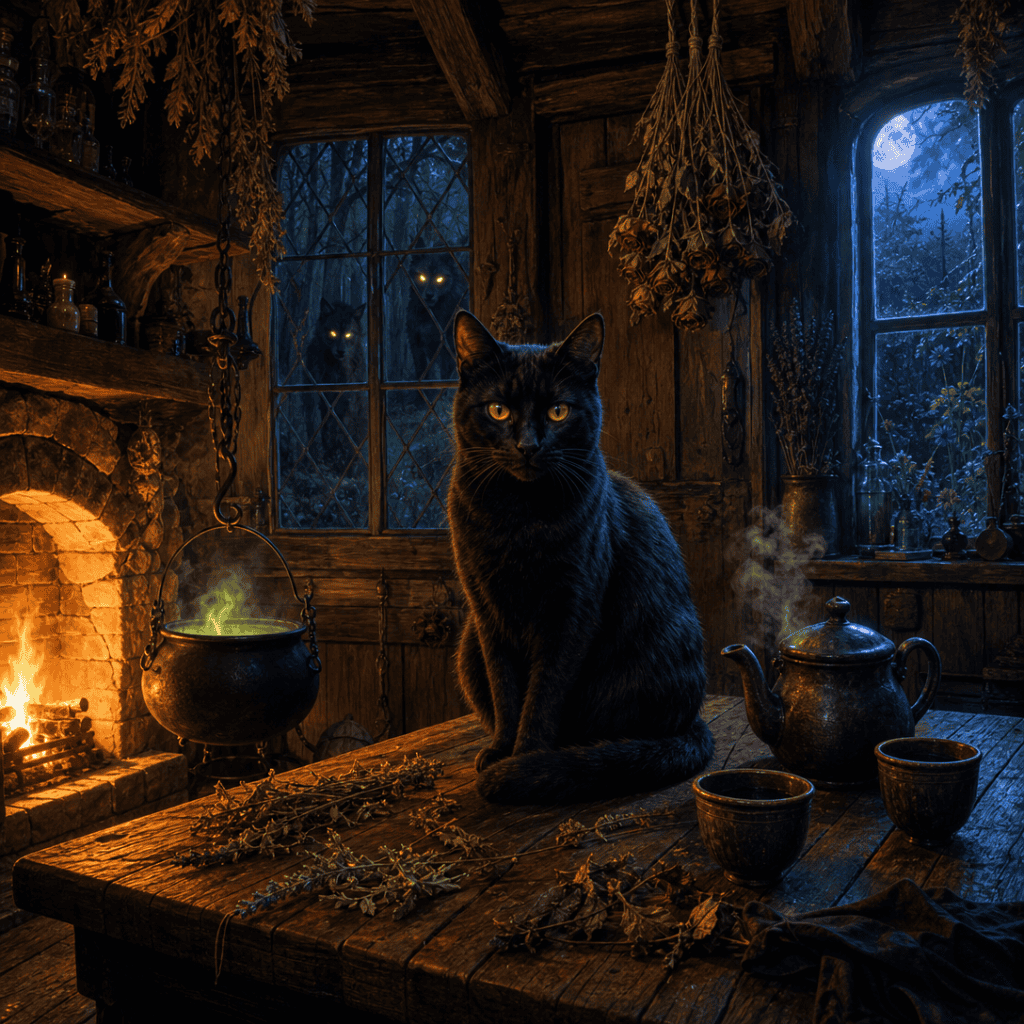

Cozy dark fairy tale D&D is the niche between two extremes that don’t usually share a table: cozy adventures (warm, low-stakes, vibes-first) and dark fairy tale adventures (high-consequence, morally complex, sometimes brutal). The intersection is harder to write but more rewarding to play. This guide covers what makes a cozy-with-teeth one-shot work, the five elements that hold the tone together, and where the published Twisted Tale series lands on the spectrum.
The Cozy Myth: Why “Cozy = Low Stakes” Gets It Wrong
The current cozy gaming wave — Stardew Valley, Animal Crossing, Spiritfarer — has trained a generation of players to associate cozy with stakes-free. Tea is poured. Cats are pet. Nothing bad happens. This is fine for video games, where the player’s day job is the actual source of stress. It’s a much weaker recipe for D&D.
D&D players show up to the table with three or four hours of attention they want to invest in something that matters. A session where nothing matters wastes that attention. Most “cozy D&D” advice online recommends removing combat, removing failure states, and removing antagonists — leaving a session that is essentially a guided tour. The players smile politely and never ask for another one.
The fairy-tale tradition does cozy differently. Read the actual Brothers Grimm — not the Disney versions — and notice what’s happening: the warmth is there, but it’s surrounded by genuine threat. The witch’s cottage is full of gingerbread AND a kid-sized oven. The forest is beautiful AND has wolves. The cozy isn’t the absence of stakes; it’s the contrast that makes the stakes hit harder.
What Makes a Fairy Tale Session Feel Cozy
A few specific elements, none of which require removing combat:
Domestic settings as anchor points. Kitchens. Gardens. Cottage parlors. The party returns to a warm hearth between dangerous excursions. The hearth is real — food, tea, sleep — and the warmth is genuine. The threat doesn’t follow them inside (usually), so the inside has weight as a refuge.
NPCs who are first kind, then complex. Cozy fairy tale NPCs aren’t quirky relief characters. They’re whole people with kindness as a baseline. The witch who opens her cottage to the party isn’t pretending — she really is glad they came. She also has secrets, and the secrets matter, but the kindness wasn’t a trick.
Slow-paced exploration of detailed places. Cozy sessions reward time spent. Players who want to investigate the bookshelf, smell the soup, watch the fire find rewards there. The DM has prepared the cottage in detail because the cottage is the session, not a transition to the session.
Animal companions and small creatures. Talking cats. Sympathetic mice. Birds who deliver letters. The cozy register includes a steady presence of small magical creatures who are more friend than foe. They don’t fight every encounter — they just exist, doing small magical things.
Beautiful, comprehensible danger. When the threat arrives, it has aesthetic coherence with the cozy. A garden that has gone wrong. A cake that is alive. A forest that doesn’t lead home. The danger is fairy-tale-shaped, which means it can be terrifying without being dirty or grim.
The Five Elements That Make Cozy Have Teeth
Five techniques for keeping the warmth without losing the stakes:
1. Real consequences for failure. Players have to feel that the cozy can be lost. The witch can die. The cottage can burn. The cat can be taken. Once they feel that, the warmth becomes precious instead of expected.
2. Combat that matters but doesn’t dominate. One or two encounters per session, sharp and consequential, with the rest of the time spent in soft-stakes exploration and roleplay. Combat is punctuation, not the sentence.
3. Moral choices that the warmth makes harder. The villain is sympathetic. The witch’s bargain is fair. The rescue requires sacrificing something the party has come to love. Players who are comfortable in the cozy world will hesitate when the choice forces them to break it.
4. Whimsical NPCs who reveal depth. The cat speaks but only at the climactic moment. The shopkeeper turns out to be older than the village. The cozy register hides texture; reveal it only when it lands.
5. Endings that change the cozy permanently. The session shouldn’t end with everything restored to baseline. The cottage is different. The witch is different. The cat is different. The cozy persists, but it has been earned, and it has scars.
When Cozy Becomes Bland: Common Pitfalls
Three failure modes to avoid:
The vibe-only session. No combat, no choices, no consequences — just nice things happening. Players leave feeling like nothing happened, because nothing did. Fix: introduce one real stakes-bearing encounter no later than 30 minutes in.
Excessive whimsy. Every NPC has a quirky name. Every object has googly eyes. The session becomes Cute Adventure: The RPG. Fix: ground every three whimsical elements with one element that has weight — a serious NPC, a real threat, a meaningful loss.
Disney-fication. The fairy tale gets sanded down to the version with no scary parts. The witch becomes nice. The wolf becomes a vegetarian. The forest becomes safe. Fix: keep one Grimm element in every session — something that wouldn’t fit in a children’s animated film.
Published Cozy-with-Teeth Adventures
The Twisted Tale series sits squarely in this niche. Each book is structured around fairy tale aesthetics with darker undercurrents — warm cottages with cold secrets, sympathetic witches, tea parties with stakes.
The Cat, the Witch, and the Auction is the closest to pure cozy-with-teeth: a black cat shrinks the party, carries them through a beautiful corrupted garden to a faerie auction where a witch is being sold. Tone is warm, but the auction climax has real consequences if the party fails.
Breadcrumbs takes the Hansel and Gretel template and inverts it — the witch’s cottage is genuinely warm, the witch is genuinely sympathetic, and the antagonists are the children’s parents. Cozy bones, dark heart.
The Twelve Dancing Princesses uses the underground ballroom as a cozy-aesthetic setting with stakes that grow as the party investigates.
For the broader pillar, see Dark Fairy Tale D&D.
Frequently Asked Questions
What’s the difference between cozy D&D and cozy dark fairy tale D&D?
Generic cozy D&D removes stakes. Cozy dark fairy tale D&D keeps stakes but wraps them in warmth. The cottage is real and the threat is real; the contrast is the appeal.
Can a cozy fairy tale one-shot include character death?
Yes — and the threat of character death is part of what makes the cozy land. The death itself should be earned, not random, and the session should have warned the players that the cozy has limits.
How long should a cozy dark fairy tale session run?
Two to three hours. Cozy sessions need time to breathe — exploration scenes, meals, conversations — but should still hit a clear narrative climax. Sessions that go past three hours usually lose the warmth in fatigue.
Is cozy D&D good for new players?
Yes. Cozy fairy tale one-shots are one of the strongest formats for introducing new players. The slow pace gives them room to learn, the warmth makes failure feel manageable, and the fairy tale shape is recognizable from childhood.
Where can I find a published cozy dark fairy tale one-shot?
The Cat, the Witch, and the Auction is Anvil N Ink’s clearest example of the cozy-with-teeth tone — warmth with real stakes. Two hours, 2-3 players, levels 2-3.
Run a Cozy-with-Teeth Session This Month
Cozy dark fairy tale D&D is harder to write than either pure cozy or pure dark, but it gives players an experience neither extreme delivers. The warmth is real. The stakes are real. Both have to be there for the session to land.
Read the full review of The Cat, the Witch, and the Auction — Anvil N Ink’s cozy-with-teeth one-shot for 2-3 players. Two hours, levels 2-3, zero prep.
For broader fairy tale adventure design, see the Dark Fairy Tale D&D pillar.
The fire in the hearth has to be earned. The wolves outside have to be real.