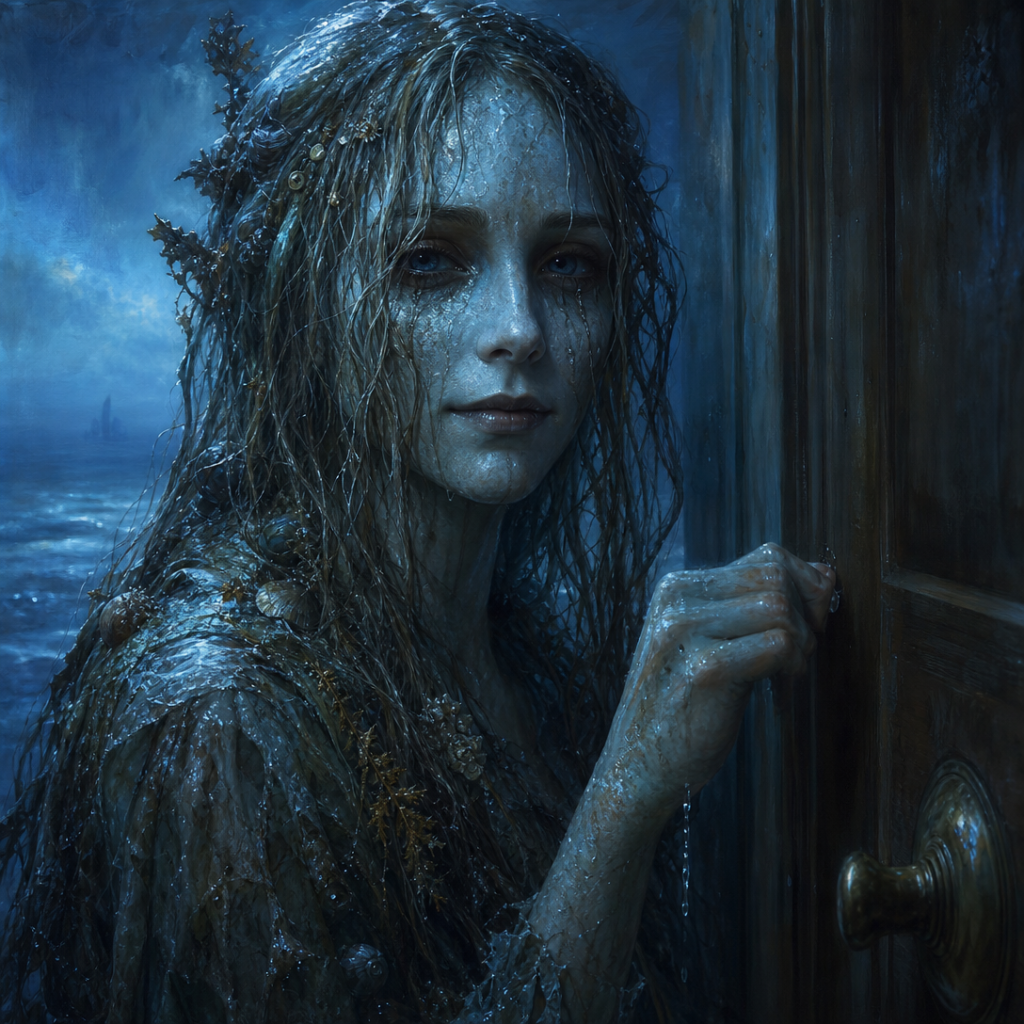

Somewhere along the way, the undead stopped being scary. Skeletons are XP with a sword arm, zombies are a speed bump, and the average party clears a crypt without a flicker of dread. That’s a shame, because the returning dead are one of the oldest and most potent horrors we have. Making undead scary again isn’t about bigger numbers or nastier abilities — it’s about remembering what made them frightening in the first place: they used to be us, and they came back wrong.
Here’s how to make the undead genuinely frightening at your table again.
Why the undead stopped being scary
Familiarity killed them. After enough sessions, players have fought so many skeletons and zombies that the undead have become a known quantity — a stat block to grind through, not a horror to fear. The dread leaked out the moment the undead became just another monster on the encounter table.
The fix isn’t mechanical escalation. A tougher zombie is still a zombie the party knows how to kill. To make undead scary again, you have to change what they mean at the table — restore the wrongness, the grief, and the inevitability that familiarity sanded away.
Make them inevitable, not killable
Part of what makes a monster frightening is the sense that you can’t simply win against it. The undead should feel less like an enemy to defeat and more like a tide to survive. When the party realizes that putting one down barely matters — that more are coming, that the dead don’t tire or fear or stop — the encounter stops being a fight and becomes an ordeal.
You don’t do this with hit points; you do it with framing. Make the dead relentless and numberless rather than tough. The horror is in the math the players do in their heads: not “can we kill this one,” but “can we possibly outlast all of them.” Inevitability is scarier than power.
Make them personal — they were someone
A skeleton is a prop. The reanimated body of someone a villager loved is a horror. The single most effective way of making undead scary is to give them identity — names, faces, relationships the living recognize. The dead that shamble up the road were the people who lived in this town, and some of the living standing beside the party knew them.
This turns combat into something far more uncomfortable than violence. Destroying the undead now costs something emotional; hesitating costs something worse. A revenant that returns with a face and a grievance carries grief and guilt into the encounter, and those land harder than any claw attack.
Patience over aggression
Aggressive undead are easy to understand and easy to fight. Patient undead are unnerving. The dead that don’t charge — that wait outside the door, that gather at the window, that follow at a slow and certain distance — create a dread that a snarling horde never can. They have all the time in the world, and they know it.
Lean into that stillness. Undead that simply stand and watch, or quietly ask to be let in, force the players to sit in the tension rather than burn it off in a fight. The slow, inevitable closing of distance is far more frightening than a sudden assault, because the party can’t act their way out of it.
Restraint: show less, imply more
Modern undead are over-shown — fully described, fully statted, fully understood. Dread thrives on the opposite. Let the players hear the dead before they see them, glimpse a shape at the tree line, find the marks of something that was here and gone. What the imagination supplies is always worse than what you put on the table.
Hold the reveal as long as you can. The scratching at the shutters, the wet footprints leading to the door, the villager who won’t say what they saw — these do more than any monster description. When you finally show the undead, it should confirm a dread the players have been building themselves for an hour.
An undead one-shot you can run tonight
For undead made frightening on every one of these principles, Salt & Cinder brings the drowned dead of a lost village ashore on the ash tide — not as a snarling horde, but as patient, personal, grieving things that walk up from the water and ask, gently, to be let in where it’s quiet and cold. They were people. Some of them are recognized. And they are willing to wait.
It’s a no-prep horror one-shot for two to three players that assembles the inevitable, personal, patient dead for you. If this article made you want undead that frighten again, it’s already built. (For the setting craft behind it, see our guide to nautical horror; for the action-survival side of the dead, see running a zombie one-shot.)
Frequently asked questions
Why aren’t undead scary in D&D anymore?
Familiarity. Players have fought so many skeletons and zombies that the undead have become a routine stat block rather than a source of dread. The fear faded when they turned into just another monster to grind through.
How do I make undead scary again?
Change what they mean rather than how hard they hit. Make them inevitable instead of merely killable, give them personal identity, run them with patience instead of aggression, and use restraint so the players’ imagination does the work.
Does making undead tougher make them scarier?
No. A higher stat block is still a familiar enemy the party knows how to beat. Horror comes from inevitability, grief, and dread, not from bigger numbers.
Why are patient undead scarier than aggressive ones?
Aggressive undead can be fought and burned off in combat. Patient undead — waiting, watching, slowly closing distance — force players to sit in tension they can’t resolve with a fight, which is far more unnerving.
How does making undead personal increase the horror?
When the dead were people the living recognize, destroying them costs something emotional and hesitating costs something worse. Identity turns a simple fight into an uncomfortable, grief-laden encounter.
Bring back the dread
Make them inevitable, make them someone, slow them down, and show less — and the undead will frighten your table again.
Want undead that actually scare your players? Get Salt & Cinder:
- PDF on Payhip — instant download
- Paperback on Amazon
- Ebook on Amazon