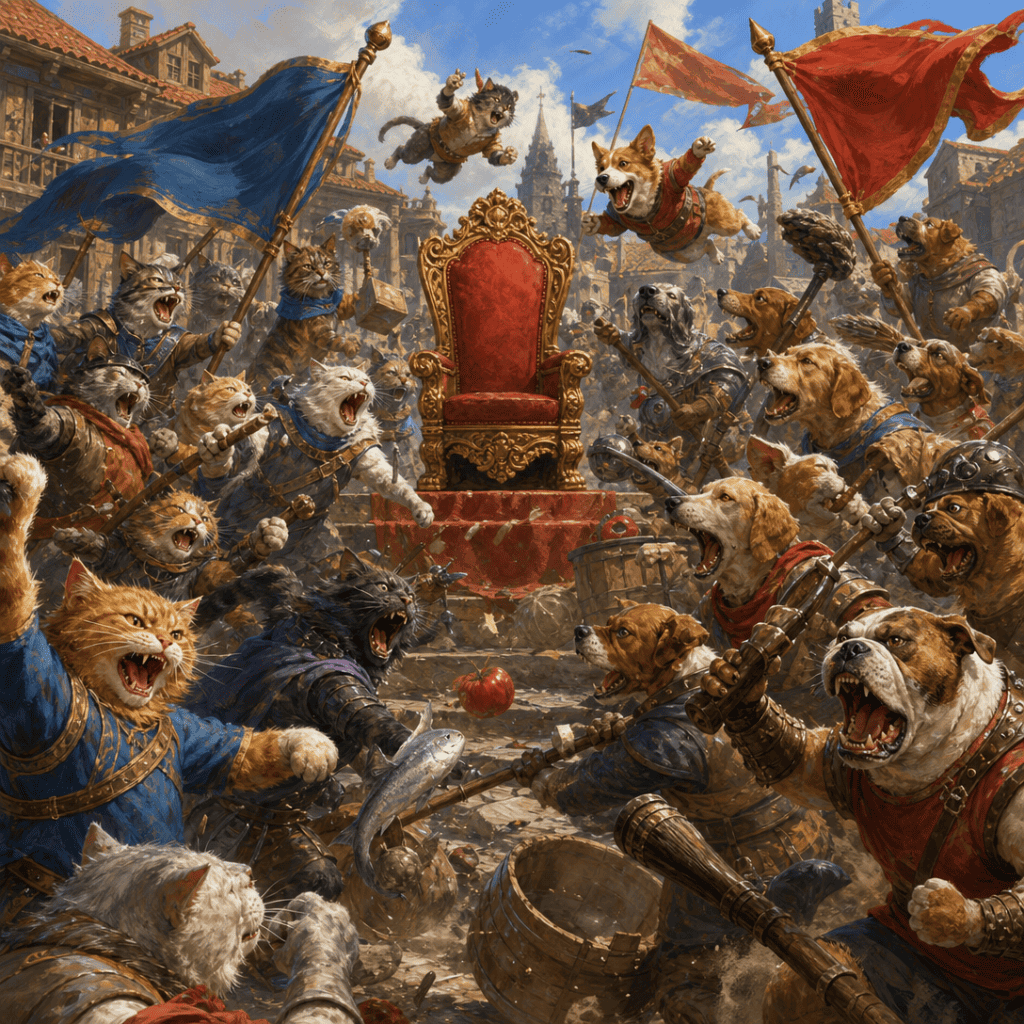

A funny D&D one-shot is the best palate cleanser in the hobby. After a few months of grim dungeons and world-ending stakes, a single evening of pure absurdity can be exactly what a table needs — the session where a town goes to war over which pet should rule it, where the quest is ridiculous and the danger is real and everyone leaves grinning. But comedy is the hardest tone to run on purpose, because forced funny is painful funny. The trick isn’t writing jokes. It’s building a machine that generates them.
Here’s how to run a funny D&D one-shot that actually lands instead of dying on the table.
Why a funny one-shot is worth your table’s time
Comedy sessions do something serious campaigns can’t: they take the pressure off. Nobody’s character arc is on the line, nobody’s worried about the campaign’s stakes, and the whole table is free to be silly. That freedom is where the best, most surprising roleplay tends to happen — players try things they’d never risk when the world is hanging in the balance. A funny one-shot is also forgiving. If a bit doesn’t land, the next one’s thirty seconds away. It’s the perfect format for a low-commitment night, a one-off with new players, or a breather between heavier arcs. The stakes being low is exactly what makes it work.Comedy comes from a ridiculous premise played straight
The single biggest mistake is winking at the joke. A funny D&D one-shot is funniest when everyone in the world takes the absurd premise completely seriously. A town that crowns an animal as its ruler every decade is hilarious precisely because the townsfolk treat it as sacred, ancient law worth fighting over. So build one ridiculous premise and then play it utterly straight. The comedy lives in the gap between how silly the situation is and how earnestly the world treats it. The moment the NPCs start acting like it’s a joke, the joke evaporates.Let the players be funny — don’t perform for them
Your job isn’t to be the comedian. It’s to be the straight man who sets up situations the players can be funny in. Hand them an absurd problem, react to their antics with deadpan seriousness, and get out of the way. The best laughs at the table almost always come from the players, not from a Game Master’s scripted gags. Create the conditions and let the chaos happen. An earnest NPC reacting with total sincerity to a player’s ridiculous plan is funnier than any line you could write. Set the stage, stay straight-faced, and let them cook.Low stakes, real stakes
Here’s the paradox of a good comedy session: the situation should be silly, but the stakes should be real to the characters. The party should genuinely care who wins the absurd contest, genuinely try to solve the ridiculous problem. Comedy without any stakes is just goofing off; comedy where the characters earnestly want something is a story. And keep the combat real. A funny one-shot still needs genuine danger — a fight that could actually go wrong grounds the silliness and gives the laughs something to bounce off. The contrast between absurd premise and real consequences is what keeps a comedy session from floating away.Keep it moving — comedy dies in downtime
Pace a funny one-shot faster than you’d run a serious game. Comedy thrives on momentum; it curdles in long pauses, rules debates, and lulls. Cut hard between scenes, keep the energy up, and don’t let a good bit run three minutes past its peak. Improv has a rule for this — improvisational theatre lives and dies on momentum and “yes, and.” Borrow it. Say yes to the players’ bits, build on them, and keep the night sprinting forward. A comedy session that drags is a comedy session that stops being funny.A funny one-shot you can run tonight
For a comedy premise played gloriously straight, War of the Whisker Throne is built to land. Every ten years the town of Wend’s Rest crowns a sovereign — not a king or queen, but a beast, cat or hound, to watch over the region. This year the contest is hopelessly deadlocked, the town has split into two fanatical factions, and the only ones who can break the tie are a band of strangers who just wandered into a street brawl over it. It’s a no-prep comedy one-shot for two to three players that hands you the absurd premise, the earnest factions, and the real stakes already assembled. If you want to run a comedy session without writing the jokes yourself, it’s the fastest way in. (For the celebration side of running events, see how to run a town festival adventure.)Frequently asked questions
What makes a D&D one-shot funny?
A ridiculous premise that the world treats with total seriousness. The comedy comes from the gap between how absurd the situation is and how earnestly the NPCs and stakes are played, not from scripted jokes.How do I run comedy without it feeling forced?
Don’t perform the jokes yourself. Set up absurd situations, react as a deadpan straight man, and let the players supply the humor. Forced funny comes from the GM trying to be the comedian.Should a comedy one-shot still have real combat?
Yes. Genuine danger grounds the silliness and gives the laughs contrast. A fight that can actually go wrong keeps a comedy session from floating off into pure goofing around.How do I keep a funny session from dragging?
Pace it faster than a serious game. Cut quickly between scenes, keep the energy high, and end bits at their peak. Comedy depends on momentum and dies in downtime.Are comedy one-shots good for new players?
Very. The low stakes and forgiving tone make them welcoming, and the absurd premise gives newcomers easy, pressure-free hooks to roleplay around.Make them laugh
Pick one absurd premise, play it dead straight, set up the players to be funny, and keep the whole thing sprinting toward the finish.Comedy is one flavor — browse the complete DND one-shots guide for every genre, group size, and level.
Want a comedy one-shot ready to run? Get War of the Whisker Throne:- PDF on Payhip — instant download
- Paperback on Amazon
- Ebook on Amazon