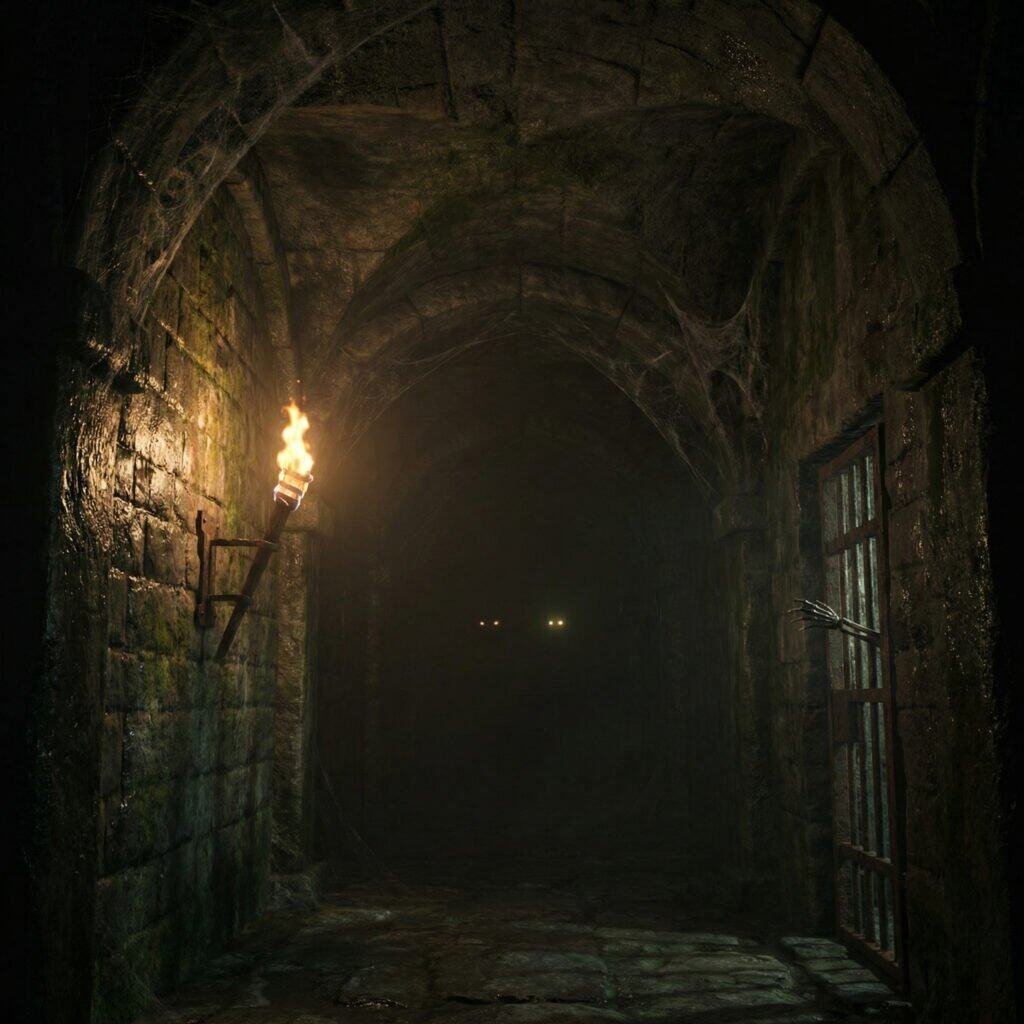

Best Horror RPGs in 2026: The Systems That Actually Frighten Players
Most tabletop RPGs are bad at horror, and it isn’t the GM’s fault. It’s the maths. A system built on heroic competence — where characters get stronger, resources refill, and death is a setback rather than an ending — is structurally opposed to fear. You cannot frighten a player who knows they will probably win.
The best horror RPGs solve this at the level of the rules. They make you fragile, they take things away permanently, and they build the dread into the dice themselves. This guide covers the systems that actually work, what each one is good at, and — if you’d rather not learn a new game — how to get real horror out of the 5e you already own.
What Makes a Horror RPG Work
Four mechanical ideas separate a genuine horror RPG from a fantasy game with spooky set dressing.
Fragility. Characters must be able to die, and die easily. Not “die if the party makes three catastrophic errors” — die from one bad decision and an average roll. Horror needs the threat of loss to be immediate and credible.
A resource that only goes down. Sanity, stress, panic, hope, candles. The best horror systems give you a meter that depletes and never fully refills. Watching a number tick toward zero across a session does more psychological work than any monster description.
Loss of control. The scariest mechanics take the decision away from you. Your character panics and runs. Your character shoots the wrong person. In most RPGs you always choose; in horror RPGs, sometimes the game chooses for you — and that helplessness is the point.
A ticking clock. Something is running out — time, light, the tower’s stability, the candles on the table. Structural inevitability is what turns tension into dread.
Notice that none of these is “scary monsters.” Monsters are the easy part.
The Best Horror RPGs
1. Call of Cthulhu — The Benchmark
The genre-defining horror RPG, and still the one to beat. You play ordinary investigators — professors, journalists, dilettantes — confronting cosmic horrors that your skills are hopelessly inadequate against. The Sanity mechanic is the innovation everything else borrowed from: knowledge costs you, and the more you understand, the less of you remains.
Combat is fast and lethal. A single gunshot can end a character. That lethality is not a flaw — it’s the entire design, and it makes players behave like frightened people rather than adventurers.
Best for: investigation, 1920s dread, and the purest version of “you cannot win, only understand.”
2. Mothership — Sci-Fi Horror, Brutally Lean
Rules-light, deeply lethal, and beautifully designed. You’re a crew of blue-collar workers in deep space, and something has gone wrong. The Panic system is the star: as Stress accumulates, you roll against it, and failure produces involuntary reactions — freezing, fleeing, screaming, worse.
It’s the best modern implementation of “loss of control,” and character sheets fit on a single page. Sessions run fast and hard.
Best for: claustrophobic sci-fi, one-shots, and tables that want to be scared quickly.
3. Ten Candles — Everyone Dies
The most emotionally devastating game on this list, and it’s structurally guaranteed. You light ten actual candles. As the session progresses, they go out one by one. When the last one goes out, every character is dead. That is not a possible ending — it is the ending, stated up front.
Knowing you will lose changes what the game is about. It stops being survival and becomes what do you do with the time left. Two to three hours, GM-light, and it will wreck your table in the best way.
Best for: a single unforgettable evening. Tragedy rather than fear.
4. Dread — The Jenga Tower
No dice. To do anything risky, you pull a block from a Jenga tower. If the tower falls, your character dies — and you knock it over yourself.
It sounds gimmicky. It is the single most effective tension device ever put in a horror RPG. The physical tremor in a player’s hand as the tower wobbles is real fear, at the table, in the room. Nothing else on this list achieves that.
Best for: horror-movie one-shots, conventions, and groups who want the dread to be physical.
5. Delta Green — Cosmic Horror With a Badge
Modern-day Lovecraftian horror where you’re a federal agent covering up the unexplainable. Its masterstroke is the Bonds system: your character has relationships — a spouse, a partner, a child — and the psychological damage of the job gets paid for by burning those bonds down.
You don’t lose hit points. You lose your marriage. It’s the most adult horror game in wide circulation.
Best for: campaigns, moral erosion, and horror that costs something outside the dungeon.
6. Vaesen — Nordic Folk Horror
Free League’s 19th-century Scandinavian folklore game. You investigate creatures from Nordic myth — and crucially, most of them cannot be killed, only understood and appeased. The horror is in the negotiation.
Gorgeous production, a clean Year Zero ruleset, and a wonderful antidote to games where every problem is solved with violence.
Best for: folk horror, investigation, and tables tired of combat as the answer.
7. Alien: The Roleplaying Game
The licensed Alien game, and a genuinely good one. Its Stress dice mechanic is elegant: stress makes you more likely to succeed and more likely to catastrophically panic. You get better at rolling and worse at being a person.
Its Cinematic mode is built for one-shots with pre-generated characters and secret agendas — meaning the party is not entirely on the same side. That betrayal engine is worth studying even if you never play it.
Best for: sci-fi one-shots with hidden agendas.
8. Trophy Dark — Doomed Treasure Hunters
A short, sharp forest-horror game where you play treasure hunters entering a wood that will not let you leave unchanged. Built for a single session, structurally doomed, and mechanically simple.
Best for: two-hour dread with almost no prep.
Which Horror RPG Should You Play?
You want the classic, and a system with decades of material → Call of Cthulhu
You want to be scared tonight, fast, with almost no prep → Mothership or Trophy Dark
You want one unforgettable evening that ruins everyone → Ten Candles
You want physical, in-the-room tension → Dread
You want a long campaign where the horror is moral → Delta Green
You want folk horror where you can’t just kill it → Vaesen
You want sci-fi paranoia and hidden agendas → Alien
You already play D&D 5e and don’t want to learn a new system → keep reading.
Horror in D&D 5e: You Don’t Need a New System
Here’s the honest position. 5e is not a horror system. It assumes heroic competence, hit points make death a resource problem rather than a threat, and the moment initiative is rolled, frightened characters turn into tactical optimisers.
But most people don’t want to buy and learn a whole new game for one October evening. And you don’t have to. 5e can produce real dread if you close the structural gaps deliberately:
Shrink the party. Two or three characters, not five. Fewer hit points, fewer options, no strength in numbers. Vulnerability comes free with party size.
Keep levels low. A level 2 party is genuinely fragile. A level 10 party can fly, teleport, and resurrect — you cannot frighten them, so don’t try.
Take the light away. Darkvision is horror’s worst enemy in 5e. Break it, drown it, or take it off the table.
Keep the monster out of initiative. The instant combat starts, the fear stops. Delay it as long as you possibly can.
Our full guide to running a D&D horror one-shot covers the technique in depth, and our guide to scary DND monsters covers which creatures actually work and why.
Ready-to-Run 5e Horror
If you want the horror without designing it yourself, these are complete, zero-prep one-shots built for 2–3 players and a single 2–3 hour session — no new system, no rebalancing, no prep beyond reading them.
Ashcroft Manor — Gothic Horror
Lord Ashcroft didn’t die in his manor. He became it — his soul fused into the walls and foundations by a demonic pact gone wrong. The house is the monster, and it does not want you to leave.
Get Ashcroft Manor on Amazon →
Little Lambs — Survival Horror
Someone you trusted sold you to die tonight. Street kids wake in a pit beneath the city, surrounded by bones, with something massive moving in the dark. Level 2, minimal equipment, no way out but through.
Mindscourge — Solo Horror, One Player, One d20
If you want horror with no group at all: Mindscourge is a complete solo tabletop RPG. No Game Master, no group, no prep. Your warband is dead — the colony took their minds before it took their lives, and now they wait in the dark wearing their own faces. Four levels down, something is waking up.
More 5e Horror, Ready to Run
- Salt & Cinder — the drowned walk ashore, singing, and ask to be let in.
- Ironroot Mine — a silver mine went quiet, and something down there recruits rather than kills.
- The Spider’s Seminary — the eggs the last heroes forgot to burn.
- The Colossus Autopsy — body horror inside a 60-foot corpse.
- The Mouth of the Dying God — cosmic horror inside a dead god’s jaw.
- Dead of Night — hold the keep, guard the boy, survive till dawn.
Running horror in October? See our Halloween DND one-shots, sorted by theme.
Frequently Asked Questions
What is the best horror RPG?
Call of Cthulhu is the benchmark and has the deepest library. For a single unforgettable session, Ten Candles or Dread. For fast, lethal sci-fi horror, Mothership. The “best” depends entirely on whether you want a campaign or one terrifying evening.
What is the scariest tabletop RPG?
Mechanically, Dread — because the Jenga tower makes the fear physical and real, in the room, in your hands. Emotionally, Ten Candles, because everyone dies and you know it from the first minute.
Is D&D good for horror?
Not by default. 5e assumes heroic competence and treats death as a resource problem. But it can produce real dread with a small party, low levels, no darkvision, and a monster kept out of initiative as long as possible. See our horror one-shot guide.
What’s the best horror RPG for beginners?
Dread — there are no dice, no character sheets to speak of, and the rules take two minutes to explain. Ten Candles is nearly as easy and needs almost no prep from the GM.
What’s a good horror RPG for one player?
Mindscourge — one player, one d20, no Game Master and no prep. For the wider solo landscape, see our solo RPG guide.
Do horror RPGs need a sanity mechanic?
No, but they need something that only goes down. Sanity, Stress, Panic, Hope, candles — the specific name doesn’t matter. What matters is a resource that depletes across the session and never fully returns. That downward slope is where the dread actually lives.