
A comedy horror one-shot is the hardest tightrope in the hobby and one of the most rewarding sessions you can run when you get it right. Done well, it’s a night where the table is laughing one minute and genuinely tense the next, where the jokes make the scares land harder and the dread gives the comedy something to push against. Done badly, the two tones cancel each other out — the horror never frightens because nothing feels serious, and the comedy never lands because the mood keeps souring. The difference is control.
Here’s how to balance laughs and dread in a comedy horror one-shot that actually works.
Why comedy and horror work together
Comedy and horror are closer cousins than they look. Both run on tension and release, both depend on timing, and both hit hardest when they catch the audience off guard. That shared machinery is why comedy horror has thrived as a genre for decades — the same setup that delivers a laugh can, with a small twist, deliver a scare instead.
At the table, this means the two tones can feed each other rather than fight. A moment of levity lowers the players’ guard, which makes the scare that follows land twice as hard. And a stretch of real dread makes the next joke land harder, because the table needs the release. Handled well, laughs and dread aren’t a compromise — they’re an amplifier.
The pendulum: alternate, don’t blend into mush
The most common failure is blending the tones into a constant smirking middle, where nothing is funny enough to laugh at or scary enough to fear. The fix is to swing between them deliberately. Let a scene be genuinely funny, then let the next be genuinely frightening. The contrast is the point — the pendulum, not the puree.
Give each beat room to be fully itself. Commit to the comedy when it’s time to be funny, and commit just as hard to the horror when it’s time to be scary. Players can follow a sharp swing between tones far more easily than a muddy mix of both at once, and the whiplash is exactly what makes a comedy horror one-shot memorable.
Make the comedy disarm, then strike
The best structural trick in comedy horror is using the laughs to set up the scares. Lean into the humor — the bickering party, the absurd situation, the comic-relief NPC — until the table is relaxed and grinning, and then turn. The scare that arrives while everyone’s still laughing is the one that gets under their skin.
This is the genre’s oldest move for a reason: comfort is the setup, and the pull-out-the-rug is the payoff. Establish a tone safe enough that the players stop bracing, then break it. The dread lands hardest in the half-second after the last laugh, when the table realizes the joke just became something else.
Keep the stakes real under the jokes
Comedy can undercut horror if it makes the danger feel fake — so the threat has to stay genuinely dangerous no matter how funny the session gets. The party can crack jokes; the monster cannot become one. If the players come to believe nothing can really hurt them, the horror is dead and you’re just running a comedy with spooky set dressing.
Protect the danger. Let characters be funny in the face of real peril, but never let the peril itself turn into a punchline. The contrast between a party that jokes and a world that genuinely threatens them is the exact tension a comedy horror one-shot runs on, and it collapses the moment the stakes stop being real.
Tone control: who’s allowed to be funny
A useful rule of thumb: let the players be the source of comedy, and keep the world the source of dread. When the humor comes from the characters — their banter, their bad ideas, their panic — and the horror comes from the setting taking itself completely seriously, the two tones stay cleanly separated even as they trade off.
This division does the balancing for you. The party supplies the laughs; the situation supplies the fear; and because the world never winks, the dread survives even the biggest laugh. Keep that line clear and a comedy horror one-shot becomes far easier to run than its reputation suggests.
A comedy-horror one-shot you can run tonight
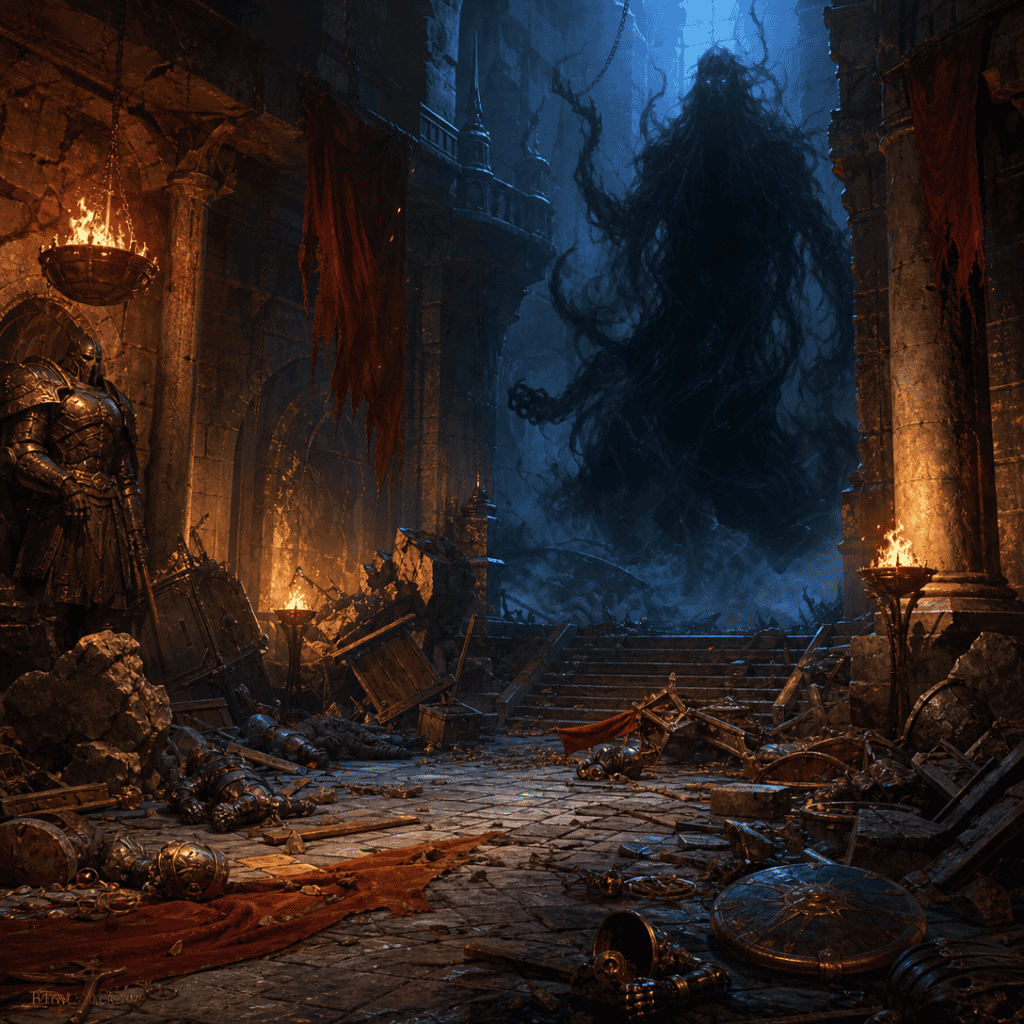
For a session built on exactly this balance, The Silver Lining sends the party — a B-team of expendable backups — to find the famous, beloved Silver Swords, who vanished in the depths of the Obsidian Spire and woke something they shouldn’t have. The result swings hard between the comedy of being the under-qualified second string and the dread of what the first string disturbed.
It’s a no-prep comedy horror one-shot for two to three players that handles the tonal pendulum for you — real laughs, real dread, and a world that never breaks character. If this article made you want to run the tightrope, it’s already strung. (For the pure-comedy end of the spectrum, see our guide to funny D&D one-shots.)
Frequently asked questions
What is a comedy horror one-shot?
It’s a single-session adventure that deliberately balances genuine humor with genuine dread, swinging between laughs and scares so each makes the other land harder.
How do I balance comedy and horror without ruining both?
Alternate the tones instead of blending them. Commit fully to each scene — let some be truly funny and others truly frightening — so the contrast sharpens both rather than muddying them into a smirking middle.
Why does comedy make horror scarier?
Laughter lowers the players’ guard. A scare that arrives while the table is still relaxed and grinning lands far harder than one the players saw coming, which is why disarming with comedy sets up the strike.
How do I keep the horror from feeling fake?
Keep the stakes real. Let the characters joke, but never let the threat itself become a punchline. If players stop believing the danger can hurt them, the horror collapses into spooky set dressing.
Who should be funny — the players or the world?
Let the comedy come from the characters and the dread come from the setting. When the world takes itself completely seriously, the fear survives even the biggest laugh, and the two tones stay cleanly separated.
Walk the tightrope
Swing between the tones, disarm before you strike, keep the danger real, and let the players be funny while the world stays deadly serious.
Want a comedy-horror one-shot ready to run? Get The Silver Lining:
- PDF on Payhip — instant download
- Paperback on Amazon
- Ebook on Amazon